The TMF’s Prominent Events
TMF Congresses
TMF Annual Meeting
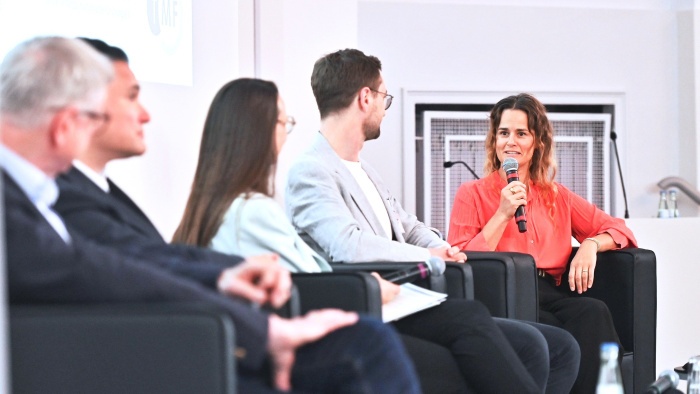
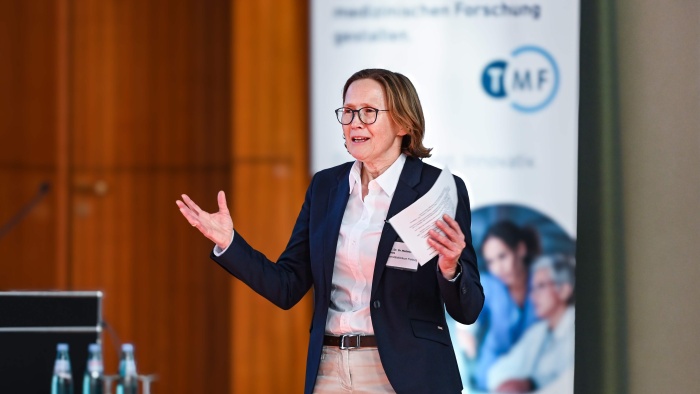
The TMF’s Annual Meeting is a nationwide forum for exchanging views on current cross-cutting topics in collaborative medical research. The event is aimed at experts from science and research as well as representatives of patient organizations, professional associations, research funding bodies, public authorities, and industry. The annual meeting facilitates interdisciplinary exchange among experts from medicine and research and contributes to the development of solutions that advance medical research. The event is organized by TMF – Technology, Methods, and Infrastructure for Networked Medical Research.

18th TMF Annual Meeting 2026
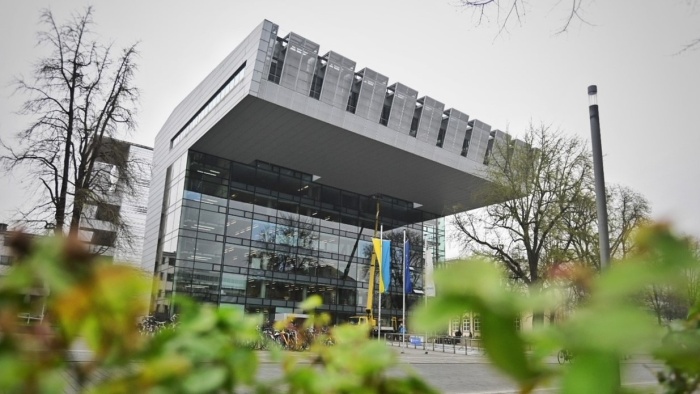
At the 18th TMF Annual Meeting on 25 and 26 May 2027, leading experts from academia, politics and industry will come together. This year, the congress will take place in Erlangen.
National Digital Health Symposium
The National Digital Health Symposium serves as a platform for networking and exchange among healthcare providers, payers, and medical research, incorporating the perspectives of manufacturers as well as patients. Its goal is to accelerate the digital cultural shift in healthcare. The focus lies on realistically addressing challenges, approaching them constructively, and collaboratively shaping the healthcare system of the future. The TMF has organized the National Digital Health Symposium annually since 2019.
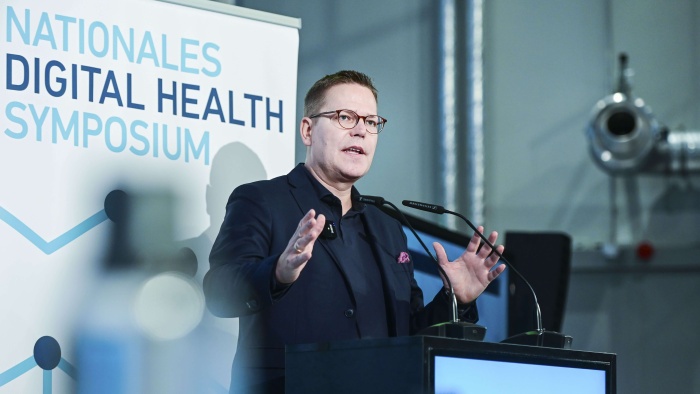

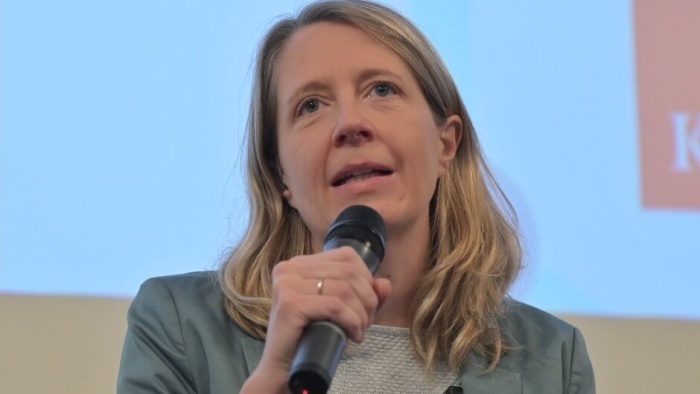

8th National Digital Health Symposium 2026
The 8th National Digital Health Symposium of TMF - Technology and Methods Platform for Networked Medical Research e.V. will take place on December 15, 2026, at the Design Offices Berlin Humboldthafen.
MII Symposium
The Medical Informatics Initiative (MII) Symposium presents the latest results of the MII and perspectives for future development to the (specialist) public.
The goal of the MII is to digitally network routine data from patient care across Germany and make it available for medical research in order to treat diseases more quickly and effectively in the future. All university medical centers in Germany are working together on this with non-university hospitals, research institutions, companies, health insurance providers, and patient representatives in the four consortia: DIFUTURE, HiGHmed, MIRACUM, and SMITH.
The TMF – Technology and Methods Platform for Networked Medical Research coordinates the MII Coordination Office, which it operates together with the German Association of Medical Faculties (MFT) and the German Association of University Hospitals (VUD). The Federal Ministry of Research, Technology and Space (BMFTR) is funding the MII through 2026 with a total of over 480 million euros. Data protection and data security are top priorities.
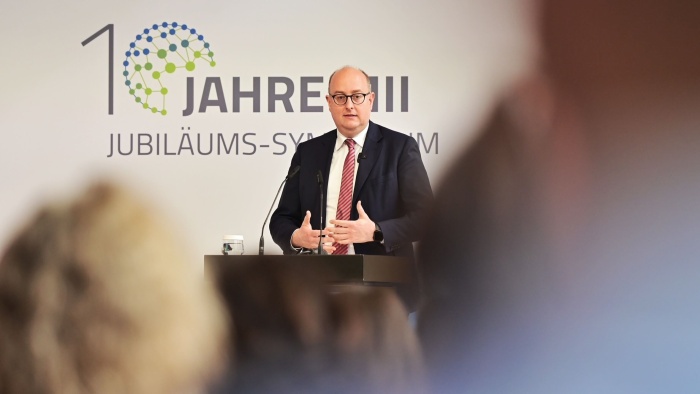
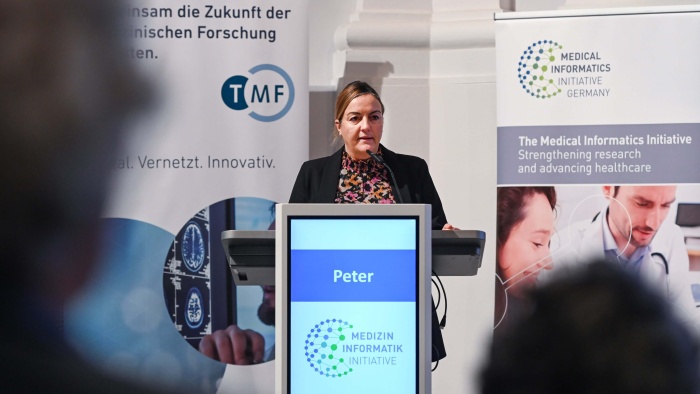
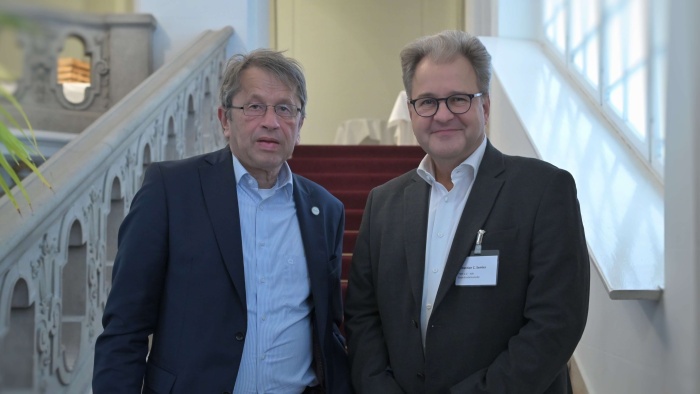

MII Symposium 2026
The Medical Informatics Initiative (MII) demonstrates the transformative potential of digital health data for both research and healthcare. The 2026 MII Symposium highlights that Germany now has a robust infrastructure capable of making large-scale clinical data available for research, thereby laying the foundation for a new era of data-driven medicine. At the anniversary symposium, held on March 24–25, 2026, leading stakeholders in digital health research came together to reflect on the initiative's achievements and discuss perspectives for the years ahead.
genomDE Symposium
The genomDE Symposium presents current scientific research findings and focuses on the exchange surrounding the model project of genome sequencing. Key topics include discussions on new therapeutic approaches, the development of data infrastructures in Germany and Europe, and the advancement of personalized medicine.
genomDE is an initiative funded by the Federal Ministry of Health (BMG) and is part of the BMG’s national strategy for genomic medicine. Its goal is to help establish the use of genomic information as an innovative component of standard care in Germany.
The initiative aims to provide as many patients as possible with access to improved diagnoses, innovative therapies, and preventive measures for their respective diseases based on genetic information. By making the data generated in genomDE available, based on appropriate consents, the initiative also contributes to national and international research efforts (e.g., the EU’s Genomic Data Infrastructure, GDI), which will ultimately benefit future patients.
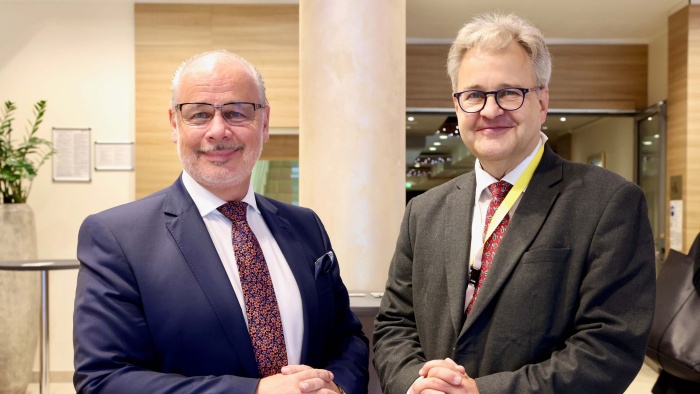
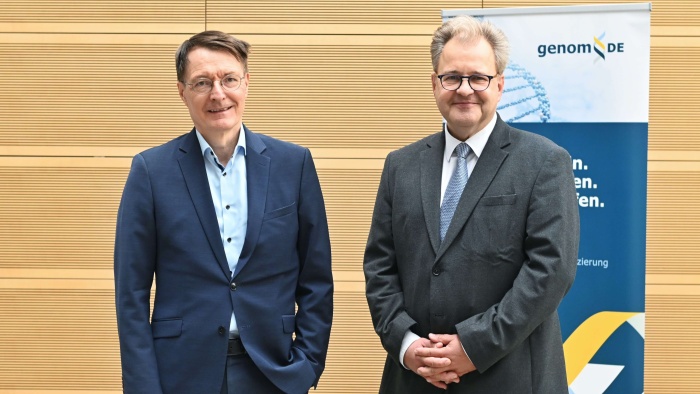
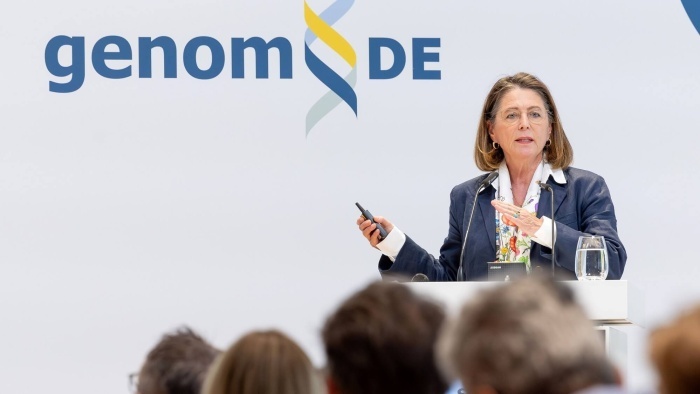

genomDE Symposium 2025
The genomDE symposium held in Berlin on July 10 and 11, 2025, focused on the successful launch of the Genomic Medicine model project. In his keynote speech at the opening of the genomDE symposium, Dr. Georg Kippels, Parliamentary State Secretary at the Federal Ministry of Health, emphasized: “We expect 100,000 patients to be included in the Genome Medicine model project over the next five years.” The common goal of the model project is to help people and make the benefits of the National Strategy for Genome Medicine available to patients.
TMF Health Registry Summit
The TMF Health Registry Summit serves as an important platform for exchanging ideas and discussing current topics and challenges in registry-based research. The conference highlights future perspectives on how patient-related registries can evolve in light of new political and technological frameworks to become even more valuable for health services research.
At the event, experts from science, industry, and politics come together to share the latest insights and trends in registry research. They discuss the essential requirements registries must meet—such as data quality, harmonization, and interoperability—in order to maximize their potential for knowledge generation. In addition, the conference addresses potential solutions for the sustainable financing of medical registries.

TMF Health Registry Summit 2026
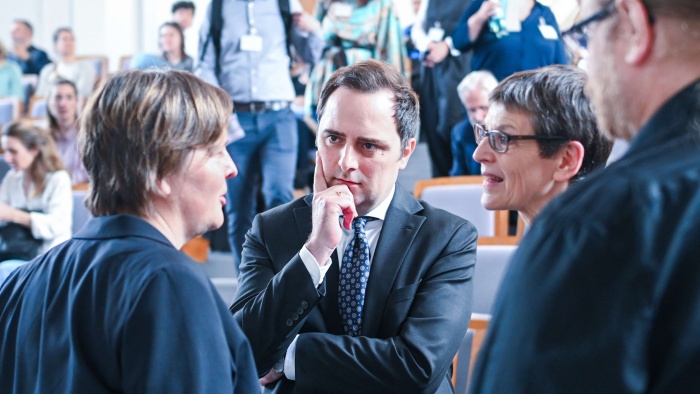
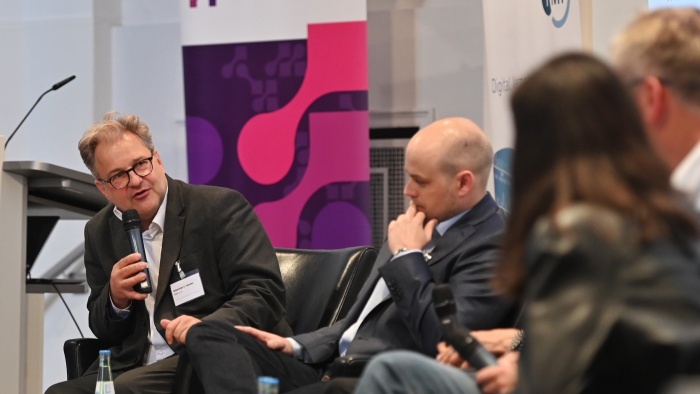
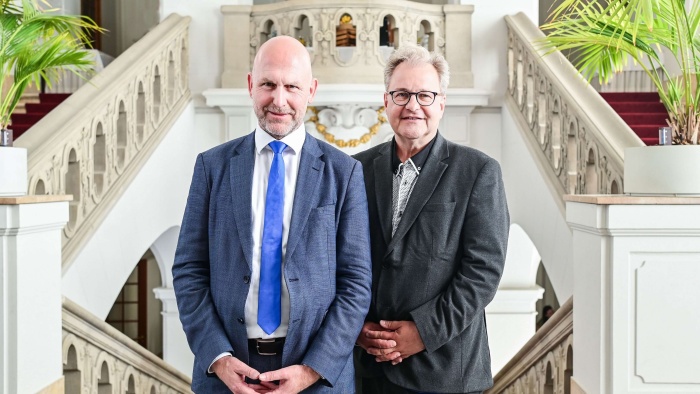
With the Medical Registries Act, developments surrounding the European Health Data Space (EHDS), and growing requirements for data quality and interoperability, the framework conditions for the registry landscape are currently undergoing significant change. The opportunities arising from these developments and how registries can further unlock their potential in the future were the focus of the 2026 TMF Health Registry Summit in Berlin.
National Biobanking Symposium
At the National Biobanking Symposium, the German biobank community meets once a year to advance synergies for scientific, interdisciplinary exchange as well as with industry and the public. Topics include networking at regional and national levels, standardization, harmonization, quality management, IT infrastructures, and dialogue with relevant stakeholders. The symposium is organized and hosted by the Technology and Methods Platform for Networked Medical Research (TMF).
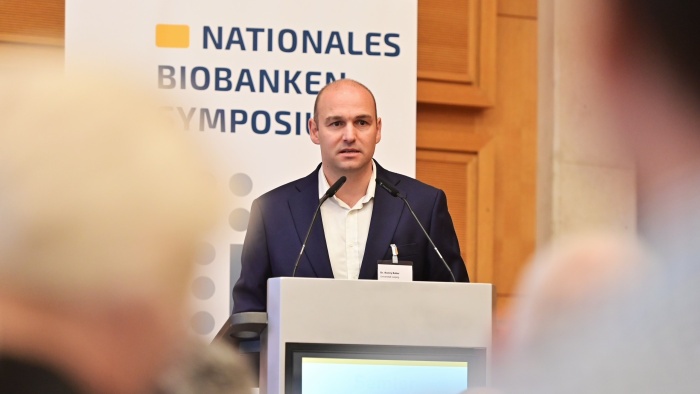
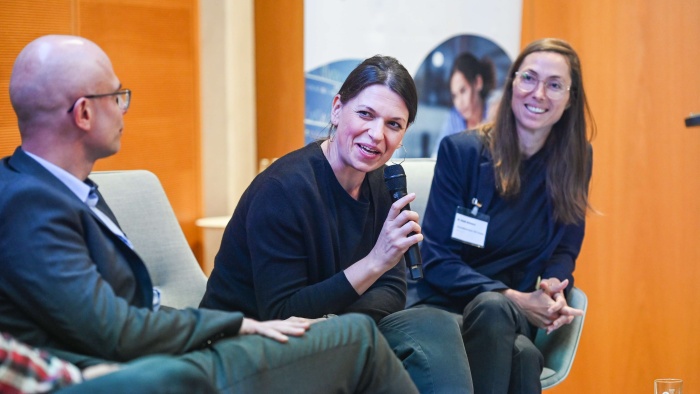
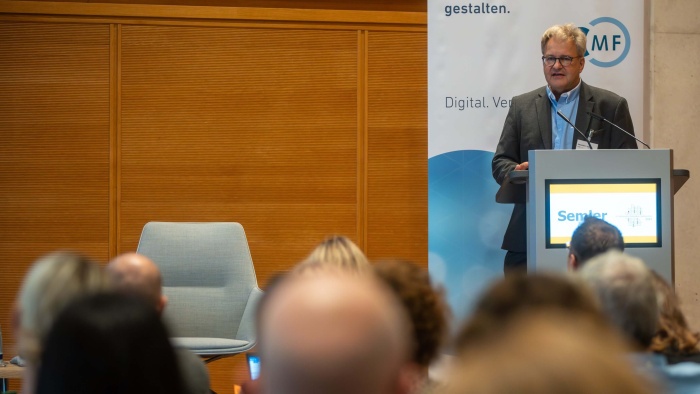

14th National Biobanking Symposium 2026
The 14th National Biobanking Symposium, which took place from 15 to 16 September 2026 at Hotel Aquino in Berlin, offered a comprehensive overview of current developments in biobanking within national research networks and consortia.
LongCARE Symposium
LongCARE coordinates numerous projects funded by the Federal Ministry of Health on the topic of Long COVID. Together with partners, LongCARE creates network and communication structures and evaluates the measures taken. The symposium offers the opportunity to discuss scientific findings and current developments in research, to present the important topic of Long/Post-COVID at a relevant event, to network with stakeholders, and to deepen professional knowledge.
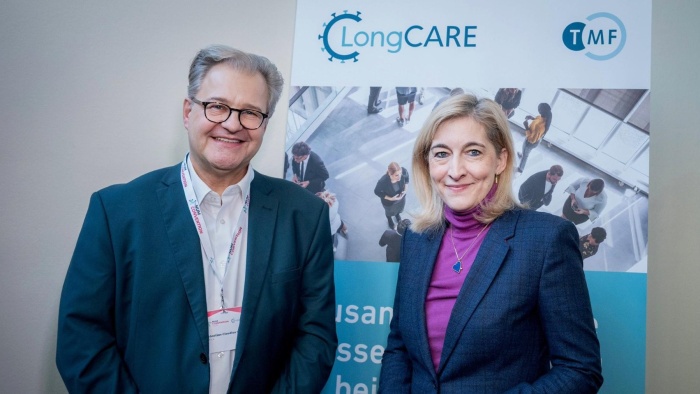

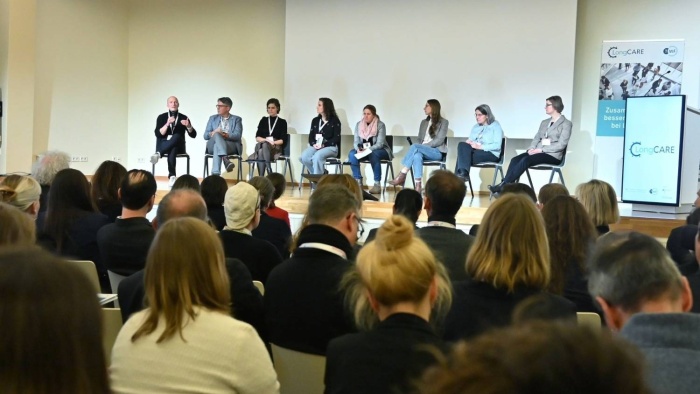

1st LongCARE Symposium 2026
The 1st LongCARE Symposium brought together around 160 leading experts from science, clinical practice, and health services research to discuss current findings on Long COVID, Post-COVID, and ME/CFS.